Sudoku Puzzles for KDP Interior Vol-1
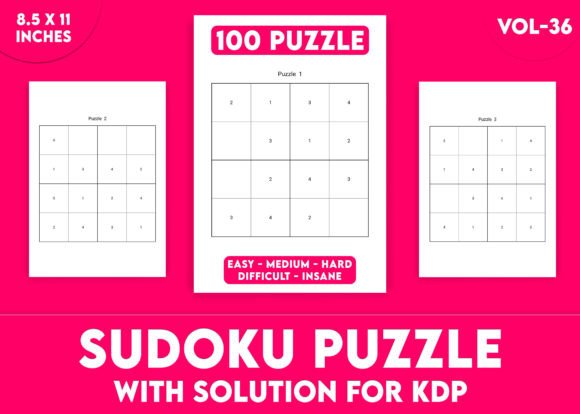
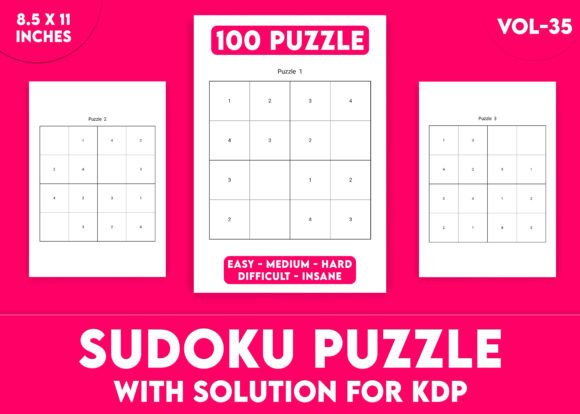
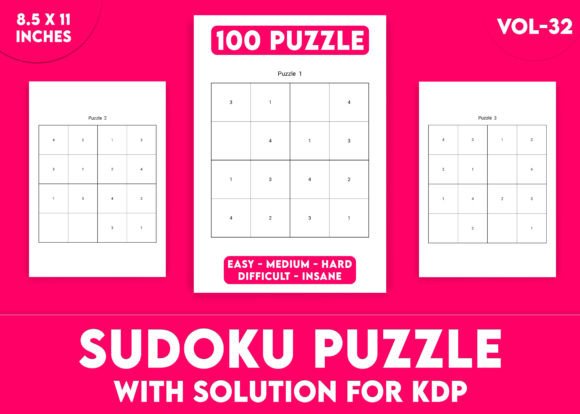
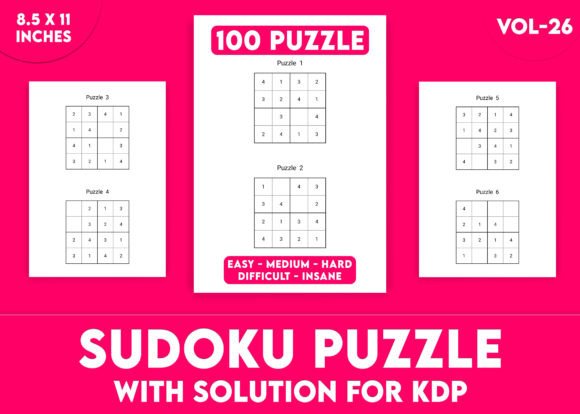
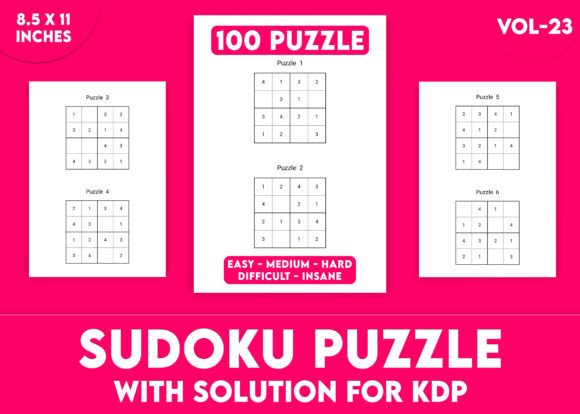
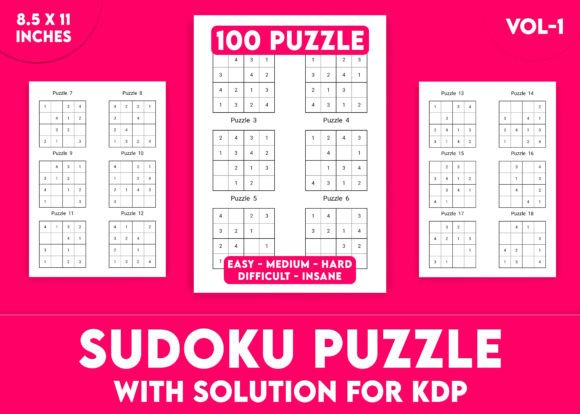
Publishing a low-content book on Amazon KDP requires more than dropping a few empty grids into a document. The real challenge lies in creating an experience that feels intentional, testable, and satisfying for the buyer who works through problems during a commute or a quiet evening. Sudoku Puzzles for KDP Interior Vol-1 answers that need directly. It is a ready-to-customize collection of 100 full-page Sudoku puzzles with accompanying solutions, formatted to the popular 8.5 × 11 inch trim size. Instead of spending days generating, arranging, and proofing puzzles from scratch, you receive an editable PDF file that slots into your production pipeline immediately. What often gets overlooked is how an asset like this changes the way you plan a series, maintain quality standards, and scale a publishing catalog without burning out on repetitive layout tasks.
Where a Curated Puzzle Set Fits into Your Publishing Calendar
For many independent publishers, low-content books function as steady background revenue. The risk is treating them as afterthoughts, which leads to generic interiors and poor reviews. Sudoku Puzzles for KDP Interior Vol-1 shifts the balance. It sits at the intersection of ready-made efficiency and deliberate curation. You can deploy it when planning a seasonal release cycle—think themed covers for summer travel, winter holidays, or back-to-school focus activities. Because the interior is uniform and tested for solvability, your design time shifts entirely to cover creation, keyword research, and category optimization. In a typical quarterly schedule, you might block two days for cover design and storefront setup, knowing the interior is already production-ready. This prevents the frustrating scramble to fix number alignment or missing solution pages right before a launch deadline.
Integrating the Editable PDF into Your Toolchain
The file format matters more than many first-time publishers realize. An editable PDF gives you control without requiring specialized puzzle-generation software. Open it in Adobe Acrobat, LibreOffice, or any PDF editor that preserves layers and text fields. Add your own title page, copyright notices, or a brief instructions section without disturbing the puzzle grid alignment. Keep a clean master copy of Sudoku Puzzles for KDP Interior Vol-1 stored in a dedicated project folder, and always duplicate it before making volume-specific edits. This habit prevents accidental overwrites and lets you maintain a baseline version for future revisions or format adaptions, such as creating an A4 variant for European markets or a 6×9 edition for a compact travel series.
Preparing the Layout for KDP Print Specifications
Before uploading, verify that the PDF meets KDP’s bleed and margin requirements. Since the puzzles are centered on 8.5 × 11 pages, set a .125-inch bleed on all sides and ensure no puzzle clues sit within the safety zone. If you add headers or page numbers, position them at least .375 inches from the trim edge. The editable nature of the file means you can quickly adjust gutter margins for different page counts. A 100-puzzle book with solutions often lands near 120 pages, so check spine width calculations during cover design. A common misstep is assuming the interior file works as-is for both digital and print. Always run a print preview through Kindle Create or a PDF validator to confirm that fonts embed correctly and that no post-processing artifacts appear around the grid lines.
Maintaining Puzzle Consistency Across Volumes and Formats
When you start building a puzzle book series, the underlying logic of difficulty progression becomes a selling point. Sudoku Puzzles for KDP Interior Vol-1 is crafted to provide a balanced curve—many puzzles feel approachable during a lunch break, while others demand deeper logical reasoning. If you later release Vol-2 or a themed variant, readers expect a similar structural quality. Keep a log of the difficulty distribution (for example, 30 easy, 50 medium, 20 hard) so you can match or deliberately vary the mix in future volumes. This record helps when writing product descriptions and answering customer questions about suitability for older adults, teens, or Sudoku newcomers.
Using the Solutions Section for Reader Trust
The included solutions are more than a backup reference. They shape how a customer judges the book’s credibility. Place the solutions after the puzzles, paginated cleanly so there is no ambiguity about which grid corresponds to which answer. If reformatting for a different size, ensure the solution grids scale proportionally and remain legible. Consider adding a short note on the copyright page explaining that solutions were manually verified—this small touch reduces returns and builds the type of trust that drives repeat purchases across your catalog.
Workflow Hacks for Busy Publishers and Content Creators
Speed matters, but consistency wins over time. Here are practical steps to fold Sudoku Puzzles for KDP Interior Vol-1 into a repeatable production routine:
- Template masking: Keep a blank cover template in your design software that matches the interior pagination. When you finalize a new volume, drop in the cover art and export promptly.
- Batch keyword work: Research four or five seed keywords while the PDF export processes. Sudoku puzzle books, logic puzzles for adults, brain games, and activity book terms often pair well with the interior’s attributes.
- Review in sections: Before final upload, spot-check puzzles 1, 25, 50, 75, and 100. Confirm that the grids are centered, numbers are sharp, and no page overlaps occur. A ten-minute verification saves hours of post-publication troubleshooting.
Repurposing the Content Beyond Amazon KDP
The editable PDF isn’t limited to print books. Extract select puzzles to create a freebie for newsletter subscribers, a lead magnet on a coaching website, or a printable activity for a wellness retreat. The 8.5 × 11 format translates well to downloadable handouts that families or educators print at home. When using the puzzles externally, retain the “With Solutions” structure so your audience gets instant value without hunting for answer keys. This flexibility turns a single purchase into a multi-channel content asset, aligning with broader business goals without doubling your workload.
Quality Control Routines That Reduce Returns
Low-content books with errors—duplicate puzzles, truncated grid lines, missing solution pages—attract negative reviews that damage your creator reputation. Establish a pre-flight checklist tailored to Sudoku Puzzles for KDP Interior Vol-1. Confirm that the total puzzle count matches the cover claim. Scroll through every solution page to verify no grid extends off the page. If you modify the file, re-print a single copy through KDP’s proof order system before enabling wide distribution. This physical inspection exposes paper weight, ink saturation, and binding visibility issues that digital previews mask. It also gives you a tangible sample to photograph for store listings or social media posts.
Weighting Difficulty for Reader Retention
A puzzle book that starts too hard loses beginners; one that never challenges loses enthusiasts. The interior’s curated progression lets you position the book in multiple categories. In your product description, highlight ranges: “Easy-to-follow warm-ups lead into medium and hard puzzles that stretch your logic skills.” This transparency guides the right buyer to your listing and lowers the chances of a mismatched purchase. It also helps Amazon’s algorithm surface your book for relevant long-tail searches like “medium difficulty Sudoku for adults.”
Organizing Files for a Long-Term Publishing Asset
Treat Sudoku Puzzles for KDP Interior Vol-1 as a building block, not a one-off download. Create a folder structure: “Master Interiors > Sudoku > Vol1_Base.pdf.” Adjacent folders hold covers, trimmed interior versions for different page counts, and A4 conversions. Tag each file with a version date so you know which iteration contains custom intro pages or adjusted margins. When you later expand into crossword, word search, or Kakuro interiors, this organizational model scales naturally. The discipline saves hours of searching through cluttered downloads and prevents the mistake of uploading an outdated interior to a live product page.
Collaborating with Designers and Virtual Assistants
If you delegate cover design or upload tasks, share a read-only version of the interior file along with a brief spec sheet. The spec sheet should note trim size, page count, bleed settings, and any text overlays you’ve added. This reduces back-and-forth questions and ensures the team member works from accurate parameters. For editors checking solution accuracy, provide the master PDF and a simple tracking sheet where they mark off verified batches. Small process investments like these preserve the interior’s integrity across multiple hands and timelines.
Adapting the Interior for Different Marketplaces and Devices
While 8.5 × 11 inches is a strong choice for print, you might also publish a tablet-friendly edition for platforms like Amazon’s Kindle Scribe or reMarkable. The editable PDF allows you to remove print-specific margins and export each page as a transparent-background PNG for digital annotation apps. Test the scaled grids on an actual device to confirm that clue numbers remain crisp and that cells are large enough for stylus input. This adaptability extends the commercial life of Sudoku Puzzles for KDP Interior Vol-1 well beyond a single paperback listing.
Expanding a Brain Games Portfolio with Complementary Titles
Once you see how efficiently a ready-made interior reduces launch friction, consider building themed bundles. A “Summer Brain Camp” collection might combine the Sudoku interior with a word search book and a logic puzzle volume. Because each interior originates from a trusted source, you maintain uniform print quality and formatting conventions. Customers who enjoy one book often browse your author page for similar titles. A coherent visual and structural style across volumes signals professionalism and encourages multi-book purchases, strengthening your KDP storefront’s conversion rate.
Publishing a puzzle book doesn’t have to mean reinventing every grid from zero. A dependable asset like Sudoku Puzzles for KDP Interior Vol-1 gives you the confidence to focus on what moves the needle—design, category positioning, and reader engagement. When the interior works reliably behind the scenes, your creative energy stays where it belongs: on growing a sustainable, rewarding publishing rhythm.